
05
Oct
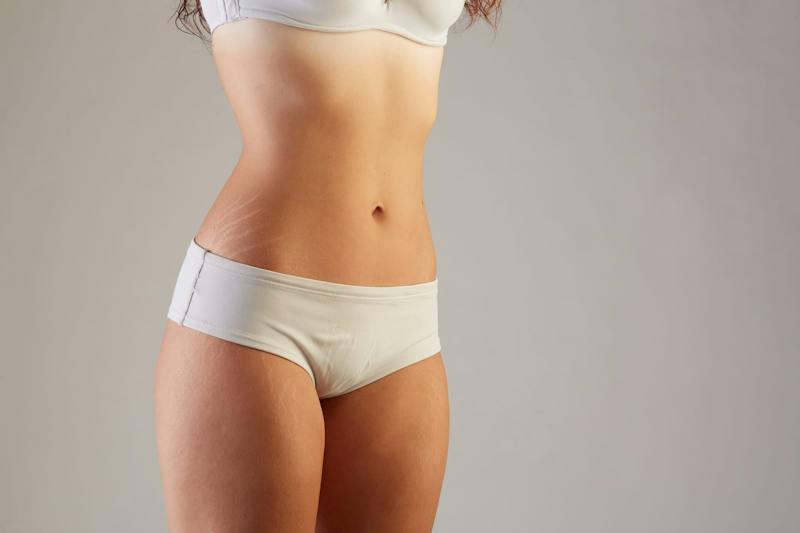
Mommy Makeover Vs Tummy Tuck Alone: Which One Do I Actually Need?
A tummy tuck by itself targets the abdomen: it tightens loose muscle, removes excess skin, and smooths the midsection. A Mommy Makeover builds on that same abdominoplasty, adding procedures like breast surgery or liposuction to address other areas pregnancy and childbirth can cha...
View More05
Oct

How to Prepare for Liposuction Surgery: A Complete Pre-Op and Recovery Guide for Nashville Patients
Liposuction remains one of the most requested body contouring procedures in the country, and how you prepare can shape your results as much as the surgery itself. At Music City Plastic Surgery, Dr. Michael R. Burgdorf guides patients through every stage of the process, from ...
View More05
Oct
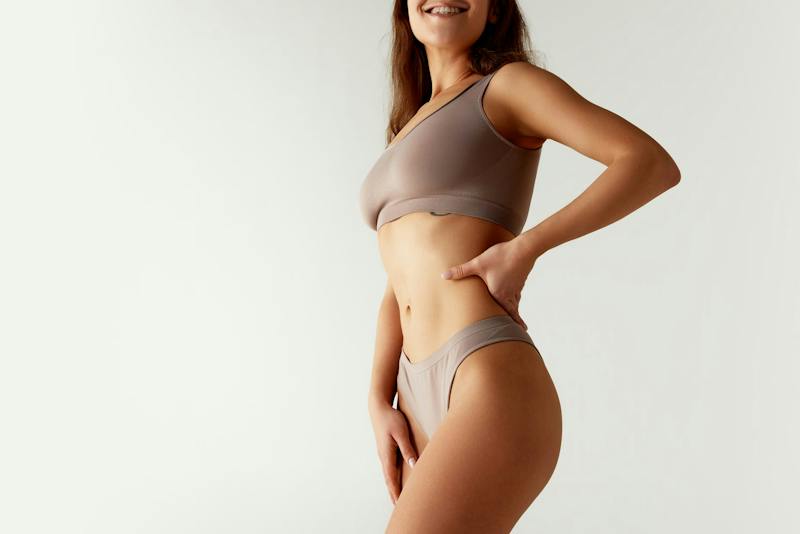
Diastasis Recti After Pregnancy: How a Tummy Tuck Fixes What Exercise Can't
New moms may spend months planking and doing core work only to find the same soft ridge still running down the middle of the belly. That ridge is usually diastasis recti, a separation of the abdominal muscles caused by pregnancy that targeted exercise often can't undo. Once the c...
View More13
Jul

How to Maintain Liposuction Results: Diet, Exercise, and Lifestyle Tips
Liposuction permanently removes fat cells from targeted areas; those cells don't regenerate. But fat cells elsewhere in the body can still enlarge with weight gain, gradually shifting the contours crafted during surgery. Keeping results looking their best takes consistent, sustai...
View More13
Jul

Tummy Tuck vs. Liposuction vs. CoolSculpting
Stubborn fat and loose skin rarely respond to the same solution. A tummy tuck, liposuction, and CoolSculpting each work at different depths, address different problems, and deliver results on very different timelines. Michael R. Burgdorf, MD, MPH, board-certified plastic sur...
View More13
Jul
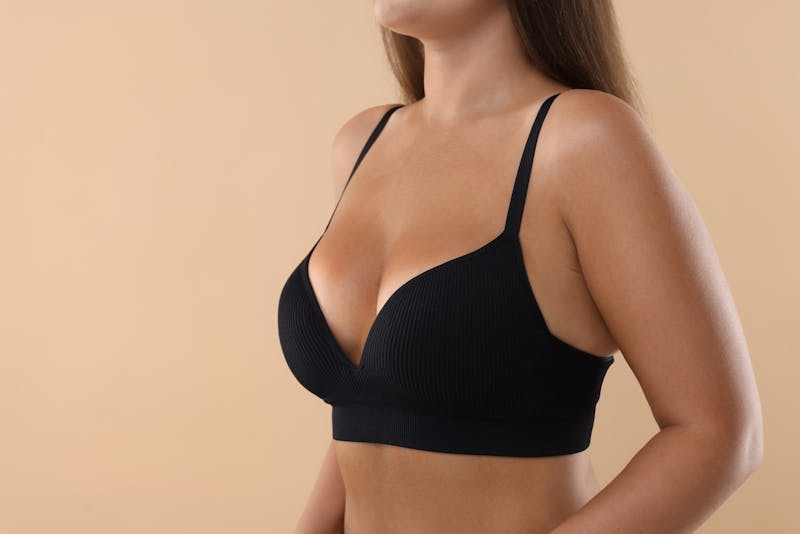
Breast Augmentation vs. Breast Lift in Nashville: Which Procedure Do You Really Need?
Breast augmentation and a breast lift are two of the most commonly requested procedures at Music City Plastic Surgery, and two of the most commonly confused. The distinction matters: augmentation adds volume, while a lift corrects position. Choosing the wrong one won't deliver th...
View More25
Jun
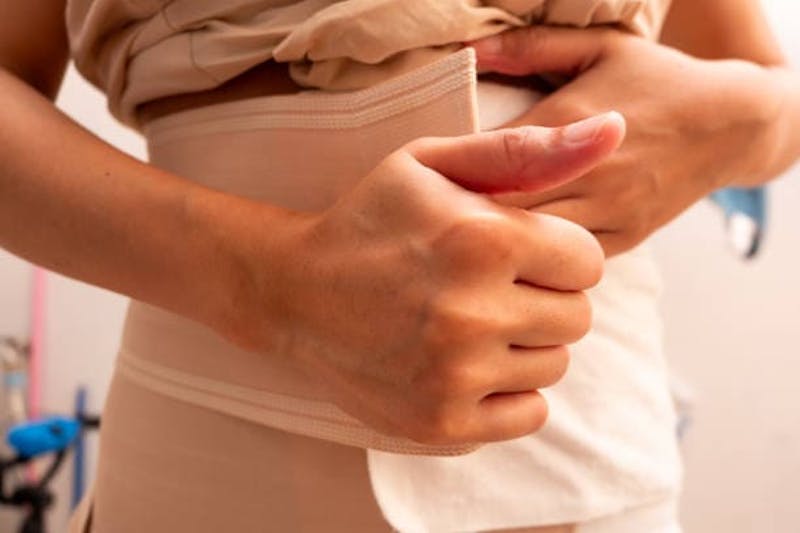
Compression Garment: Why You Wear It and For How Long
After liposuction, Dr. Burgdorf will place you in a compression garment designed to support your healing process and optimize your final results. Compression garments are typically worn for approximately 3 to 6 weeks, depending on the extent of treatment and your individual recov...
View More14
May
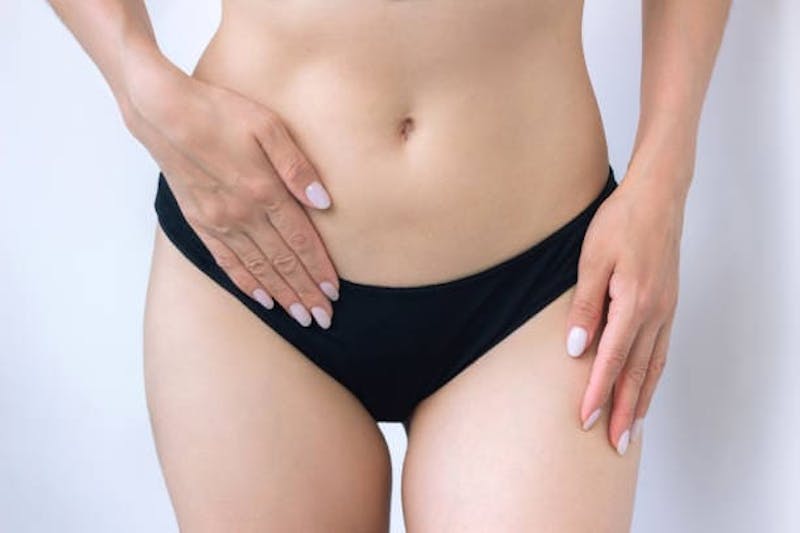
Labiaplasty After Menopause: Safety and Results
Labiaplasty after menopause can be a safe and effective option for improving comfort, function, and confidence when performed by an experienced, board-certified plastic surgeon. Many women notice changes in the labial tissues after menopause due to hormonal shifts, including thin...
View More14
May
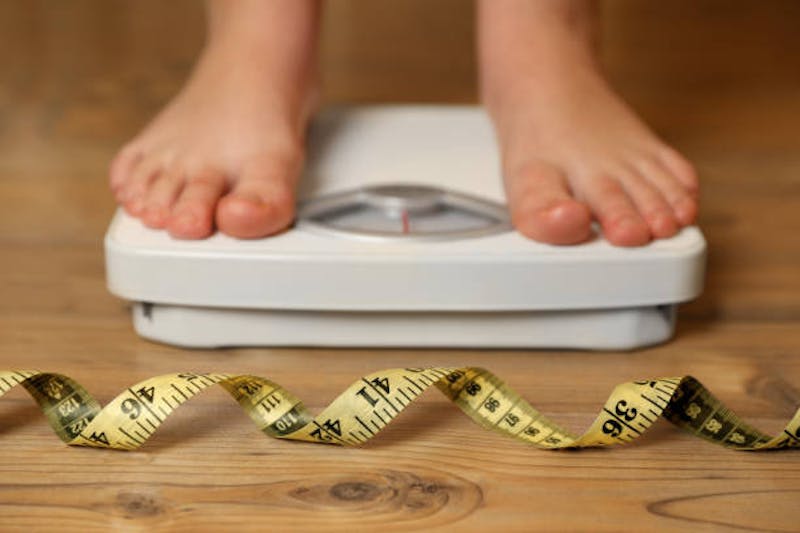
Tummy Tuck BMI Requirements Explained
A tummy tuck is designed to address concerns that diet and exercise alone can't fix—such as loose skin, stretched abdominal muscles, and stubborn fat. According to the American Society of Plastic Surgeons, BMI is an important factor in surgical planning because it can...
View More14
May

Breast Augmentation Recovery for Athletes and Fitness Lovers
According to the American Society of Plastic Surgeons, breast augmentation recovery timelines vary based on activity level and surgical details, making individualized guidance essential. Most athletes and fitness-focused patients can return to light movement within the first week...
View More14
May
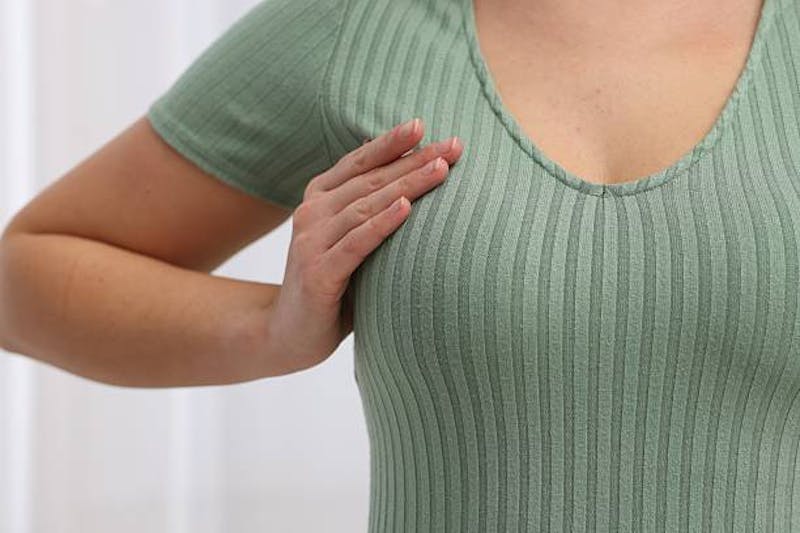
How a Breast Lift Can Improve Clothing Fit and Confidence
As described by the Mayo Clinic, a breast lift restores breast shape and position, which can directly influence body proportions and clothing fit. By lifting and reshaping the breasts to sit higher on the chest, a breast lift creates a more balanced silhouette, allowing clothing ...
View More14
May

When Can You Exercise After Liposuction Surgery?
In most cases, liposuction patients can begin light walking within a few days, ease into low-impact movement around 1-2 weeks, return to moderate exercise at 3–4 weeks, and resume full workouts by 4–6 weeks—depending on the extent of the procedure and how ...
View More